
Quick Tip: Low-temperature cooking preserves heat-sensitive anti-inflammatory compounds like polyphenols
The information on this site is for educational purposes only and does not constitute medical advice. Always consult a qualified healthcare professional before making health decisions.
Master the Art of Anti-Inflammatory Cooking
Discover evidence-based techniques that preserve nutrients, enhance flavor, and support your wellness journey. Explore how temperature, timing, and method transform ordinary ingredients into powerful nourishing meals.
Core Cooking Methods
Proven to preserve nutrients
Detailed Guides
For every skill level
Community Members
Sharing experiences
New Content
Published weekly
The 5 Core Anti-Inflammatory Cooking Techniques
Learn how each method impacts nutrient retention, bioavailability, and the development of beneficial compounds in your food.
Slow Cooking & Braising
Low heat over extended periods breaks down tough fibers and develops deeper flavors without creating harmful compounds. Perfect for bones and root vegetables.
- Preserves heat-sensitive vitamins
- Enhances mineral bioavailability
- Reduces cooking time stress
Steaming & Gentle Simmering
Moist heat that cooks evenly without direct contact with hot surfaces. Ideal for vegetables, fish, and grains that require careful handling.
- Minimal nutrient leaching
- Gentle on delicate proteins
- Quick and energy-efficient
Low-Heat Sautéing
Medium-low temperatures with generous fats to coat vegetables and aromatics. Activates beneficial compounds while preventing oxidation stress.
- Releases polyphenols
- Improves fat-soluble vitamin absorption
- Creates aromatic flavor depth
Raw & Fermented Preparations
Zero-heat methods that preserve enzymes and develop beneficial microbial communities. Essential for maximum nutrient density.
- Retains all heat-sensitive nutrients
- Supports digestive balance
- Enhances nutrient bioavailability
Low-Temperature Roasting
Dry heat at 160–180°C allows Maillard reactions to develop flavor without excessive oxidation. Perfect for nuts, seeds, and root vegetables.
- Gentle caramelization
- Avoids advanced glycation end products
- Enhances satiety and satisfaction
Boiling & Poaching
Submersion in gently simmering water cooks proteins and starches without direct heat. Use the cooking liquid in broths and sauces.
- Uniform, gentle cooking
- Collagen extraction for broth
- Easy batch preparation
Why Holistic Health Meals Matters
Temperature and technique are not minor details—they fundamentally determine whether your food nourishes you or taxes your body. Our research-driven approach helps you understand the science behind every cooking choice.
Evidence-Based Content
Every technique discussed is grounded in peer-reviewed research and practical application.
Nutrition Preservation Focus
We prioritize methods that retain vitamins, minerals, and beneficial plant compounds.
Community-Driven Learning
Connect with others applying these techniques to their everyday cooking.
Detailed Guides & Recipes
Step-by-step instructions for every technique, with real recipes you can start today.
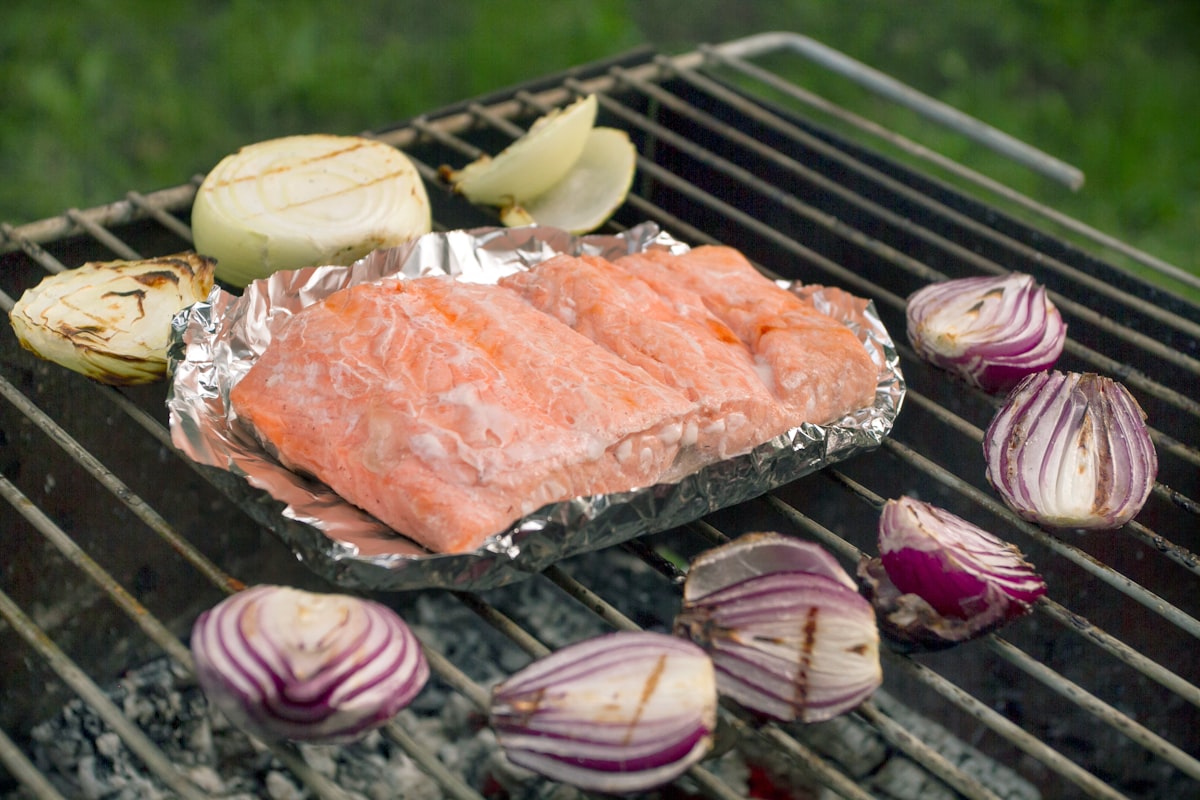
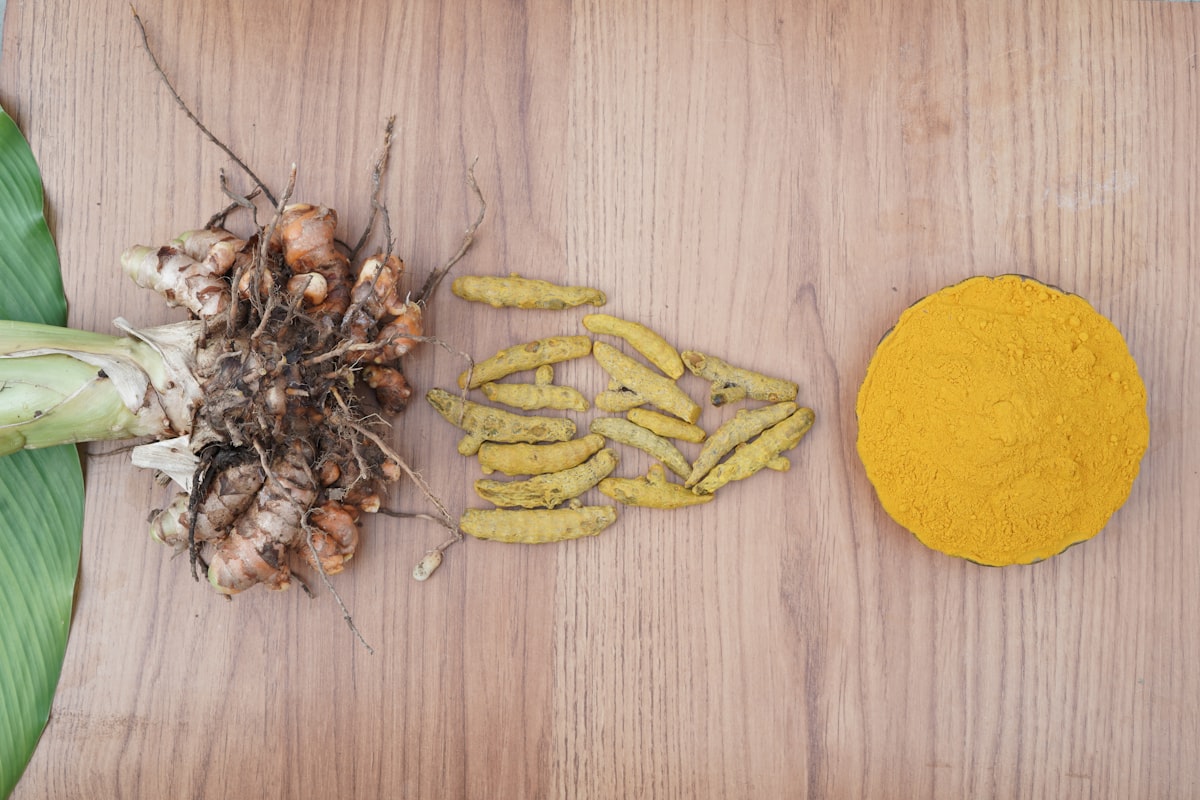
Temperature Control: The Foundation of Anti-Inflammatory Cooking
Most conventional cooking happens at temperatures that trigger unwanted chemical reactions. Excessive heat creates advanced glycation end products (AGEs) and oxidizes delicate nutrients. Our community learns how to stay in the optimal temperature range for nutrient preservation.
Below 63°C (145°F): Preserve enzymes and water-soluble vitamins
63–75°C (145–167°F): Gentle protein coagulation and vegetable softening
160–180°C (320–356°F): Controlled roasting and light browning
Avoid above 200°C (392°F): Minimizes oxidation stress and AGE formation
Stories from Our Community
Real people sharing how anti-inflammatory cooking techniques have made a difference in their daily lives and wellness journey.
"I started with slow cooking methods after reading the guides here. The difference in how I feel after meals is remarkable—less fatigue, more sustained energy. My family loves the recipes, and now my mother is using these techniques too. The community support is incredibly welcoming."
Anna Mueller
Zurich
"The temperature guides changed everything. I was always cooking too hot without realizing it. Now I use the low-temperature roasting method for vegetables, and the flavors are so much better. My digestion feels lighter and more comfortable. Highly recommend this resource."
Marco Rossi
Lugano
"As a busy professional, I thought eating well meant complicated recipes. The guides on steaming and gentle simmering showed me how to prepare nutritious meals in 30 minutes. The community forum is where I've learned the most—seeing how others adapt these techniques to their schedules is invaluable."
Sophie Keller
Basel
"I've been researching optimal cooking methods for months, and this site brought everything together in one place. The science explanations are clear, the recipes are practical, and the testimonials show real, everyday people making this work. It's refreshing to find trustworthy content on this topic."
Thomas Geyer
Bern
"My child has been dealing with digestive sensitivity, and we were told to just avoid certain foods. Instead, we learned to prepare them using gentler methods—steaming, low-heat sautéing. The difference is night and day. Our whole family feels better and has more energy. This has been life-changing for our family."
Lisa Schneider
Lausanne
"I find this content bridges the gap between theory and practice, making it easy to implement lasting changes. The equipment recommendations, temperature charts, and troubleshooting guides are spot-on. It's exactly the kind of practical, evidence-based resource people need to implement lasting changes."
Elena Martini
Geneva
Frequently Asked Questions
Find answers to common questions about anti-inflammatory cooking techniques and how to get started.
Steaming uses water vapor to cook food without direct contact, while boiling submerges food in hot water. Steaming typically preserves more water-soluble nutrients because they don't leach into the cooking medium. For this reason, steaming is often preferred for vegetables and delicate proteins when nutrient preservation is the priority. However, boiling is valuable for extracting collagen and minerals into broths, which can then be consumed as part of the meal.
Not necessarily. While raw food retains enzymes and heat-sensitive nutrients, some foods actually become more bioavailable when cooked. Lycopene in tomatoes, beta-carotene in carrots, and proteins in vegetables are often better absorbed after gentle cooking. The key is understanding which foods benefit from raw preparation and which do better with low-temperature cooking. A balanced approach that includes both is ideal for most people.
You don't need special equipment to begin. A thermometer (preferably one that reads to 100°C) is helpful for monitoring temperatures, but a good-quality pot with a tight-fitting lid, a steamer basket, and a skillet for low-heat sautéing are sufficient to start. As you gain experience, tools like a slow cooker, instant-read thermometer, or double boiler can enhance your practice, but they're not essential. Many of our community members have discovered that understanding technique matters far more than having fancy gadgets.
This varies by individual, but many people report noticing improved digestion, sustained energy, and better recovery within 2–4 weeks of consistent practice. Some notice changes within days. The most important thing is consistency—making these techniques your new normal rather than occasional experiments. Keep a simple journal of how you feel and what you notice. This personal feedback is often more valuable than any external metric.
Absolutely. Whether you follow a plant-based, omnivorous, Mediterranean, or any other dietary pattern, the principles of temperature control and gentle cooking apply. Our guides and recipes cover vegetable-forward meals, fish and seafood, poultry, and plant-based proteins. The technique is what matters—the ingredients you apply it to depend entirely on your choices and values.
Our complete recipe collection and technique guides are available in the Recipes section of this site. Each recipe includes ingredient lists, detailed instructions with temperatures and timing, equipment recommendations, and tips for adapting to your setup. New recipes and guides are published weekly, and community members often share variations and personal discoveries in our discussion forums.
Latest Articles & Guides
Discover in-depth articles on science, technique, and real-world application from our editorial team.
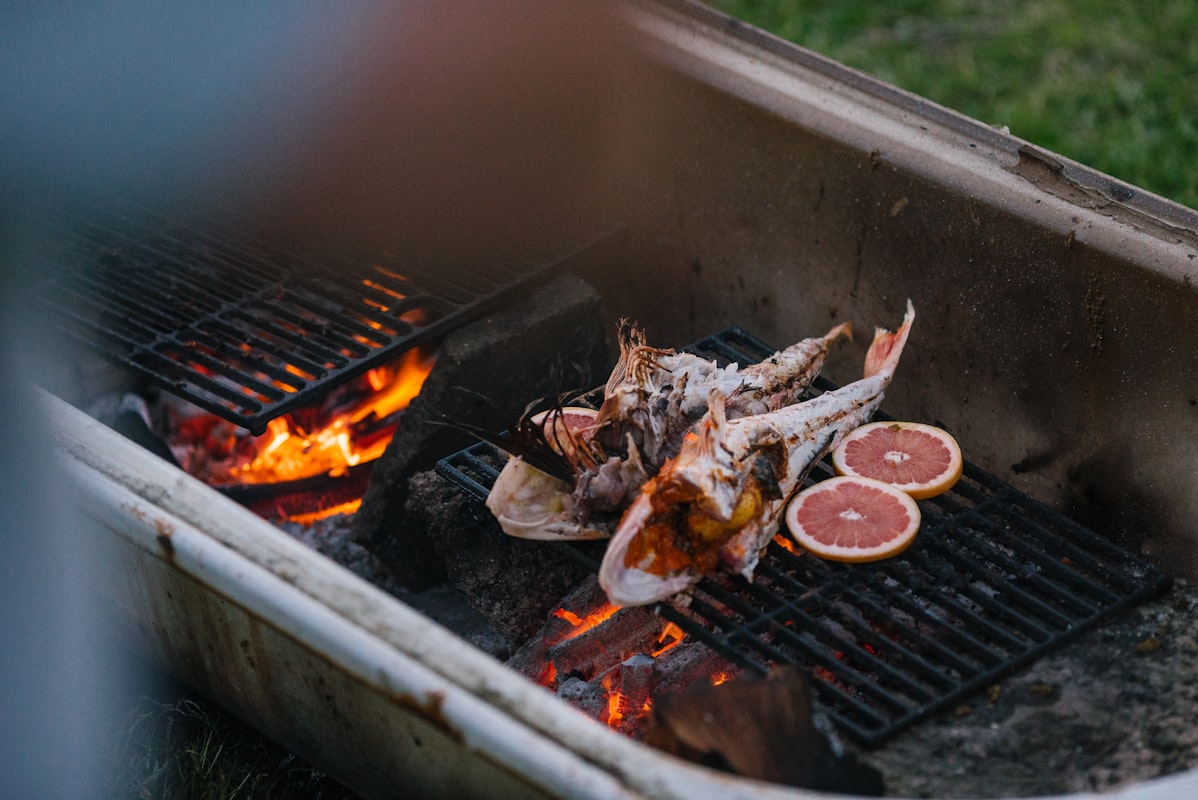
The Complete Guide to Bone Broth Extraction
Learn how to extract maximum collagen, minerals, and gelatin from bones using optimal temperatures and timing protocols.
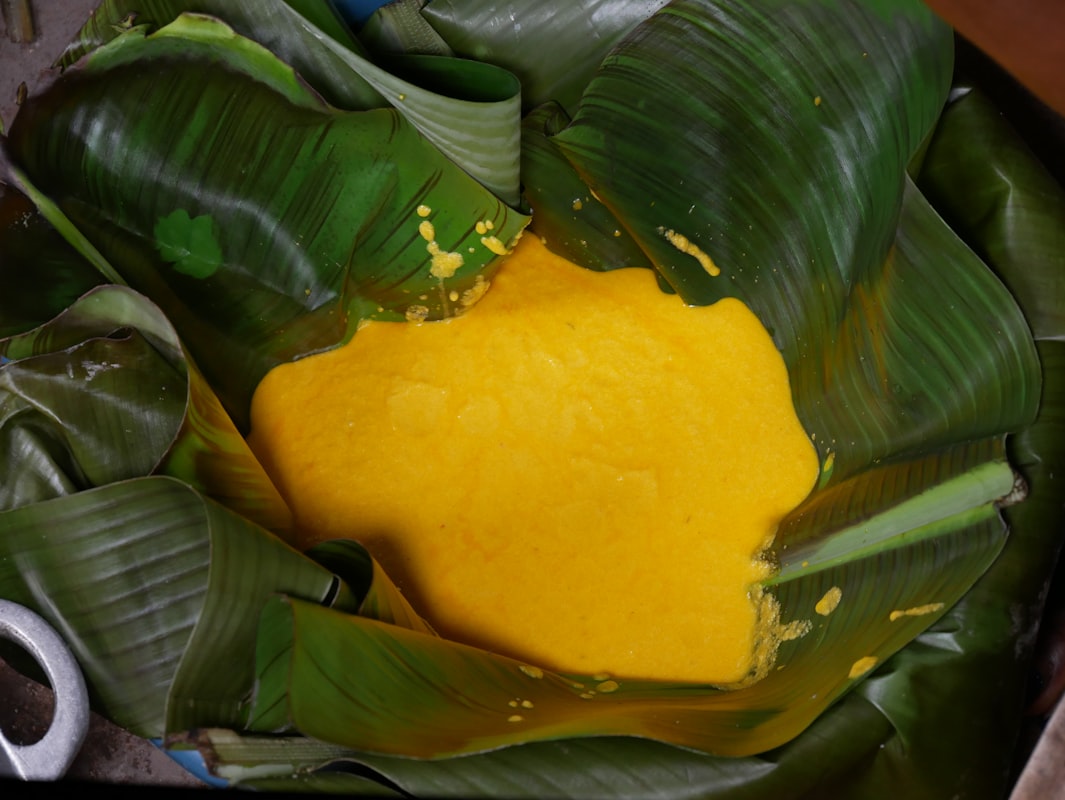
The Science Behind Steaming: Preserve Nutrients, Maximize Health
Discover why steaming is one of the healthiest cooking methods and how it preserves vital nutrients in your meals.
Building Healthy Eating Habits: A Family Approach
Learn how to encourage sustainable, nutritious eating habits throughout your household with practical strategies.
Ready to Transform Your Health?
Start your journey to better nutrition today. Our holistic meal plans are designed to nourish your body and support your wellness goals.
Frequently Asked Questions
Find answers to common questions about our holistic meal service.
Are your meals suitable for dietary restrictions?
Yes! We offer customizable meal plans for vegan, vegetarian, gluten-free, keto, paleo, and other dietary preferences. Simply select your requirements during checkout.
How long do meals stay fresh?
Our meals arrive fresh and can be refrigerated for up to 5 days or frozen for up to 3 months. Each package includes detailed storage instructions for maximum freshness.
Can I pause or cancel my subscription?
Absolutely! You can pause, skip, or cancel your subscription anytime through your account dashboard with no hidden fees or penalties.
What is your delivery coverage area?
We currently deliver to most metropolitan areas and surrounding regions. Enter your zip code at checkout to confirm availability for your location.
Do you offer corporate or bulk orders?
Yes! We provide special pricing for corporate catering, offices, and bulk orders. Contact our corporate team at [email protected] for a custom quote.