
Anti-Inflammatory Cooking Techniques
Discover evidence-based methods and practical approaches to prepare meals that support your body's natural balance through thoughtful cooking.
The information on this site is for educational purposes only and does not constitute medical advice. Always consult a qualified healthcare professional before making health decisions.
Explore by Category
Core Anti-Inflammatory Cooking Methods
Gentle Steaming & Braising
Low-temperature steaming and braising preserve heat-sensitive nutrients while breaking down fiber structures. These methods maintain the integrity of antioxidants and polyphenols that support cellular function. Learn how to layer flavors using herbs and broths for maximum taste without high heat oxidation.
Explore recipesControlled Heat Roasting
Roasting at lower temperatures (below 160°C) develops natural sweetness and umami flavors while minimizing advanced glycation end products. This technique is ideal for root vegetables, bone broths, and seeds. Understand optimal timing and temperature zones to unlock beneficial plant compounds.
Learn moreCold-Infusion & Fermentation
Cold infusions and natural fermentation enhance bioavailability of nutrients without heat damage. Fermented foods develop beneficial compounds that support digestive function and nutrient absorption. Discover traditional methods for creating nutrient-dense condiments and tonics.
View recipesRaw Preparation & Enzymatic Release
Raw vegetables and fruits retain maximum enzymatic activity and micronutrients. Learn proper chopping, blending, and soaking techniques to enhance nutrient bioavailability. Understand how to balance raw intake with cooked foods for optimal digestive comfort and nutrient absorption.
Browse techniquesBone Broth & Mineral Extraction
Long, slow simmering of bone-based broths extracts collagen, gelatin, and minerals essential for connective tissue support. Learn optimal extraction times, temperature ranges, and ingredient combinations. Understand how to create concentrated broths that become the foundation for nutrient-dense meals.
Discover articleOil Infusion & Fat-Soluble Nutrient Optimization
Properly selecting and combining oils preserves fat-soluble vitamins A, D, E, and K. Learn which oils remain stable at different temperatures and how to create infusions that maximize nutrient retention. Understand the role of healthy fats in supporting nutrient absorption and cellular function.
Explore recipesMastering Temperature Control
Temperature management is the cornerstone of anti-inflammatory cooking. High heat (above 180°C) can generate oxidative compounds and reduce heat-sensitive nutrients. Conversely, very low temperatures may not adequately develop flavor or break down certain compounds.
The optimal range for most anti-inflammatory cooking falls between 120-160°C, where flavor develops through the Maillard reaction without excessive oxidative damage. Different foods require different approaches—delicate fish and leafy greens benefit from the lowest end of this range, while root vegetables and tougher cuts tolerate slightly higher temperatures.
Our detailed guides cover timing, equipment selection, and monitoring techniques to achieve consistent results. Understanding these fundamentals transforms your cooking from simply preparing food to intentionally supporting your body's natural functions.
Read comprehensive guide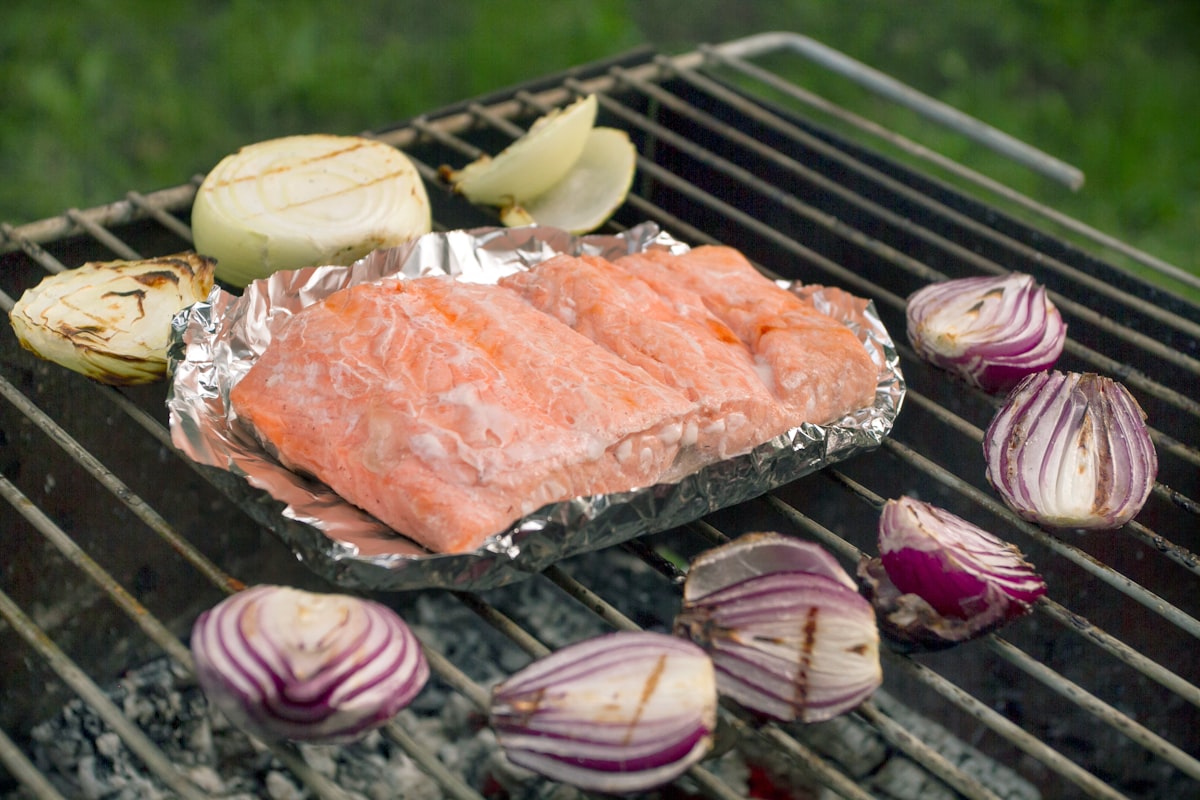
Ingredient Selection Fundamentals
Seasonal & Local Sourcing
Seasonal produce reaches peak nutrient density at harvest and maintains quality during minimal transport. Local sourcing reduces oxidative stress from long storage and handling. Learn to identify seasonal availability in the Swiss regions and choose ingredients that offer maximum nutritional benefit when prepared with anti-inflammatory techniques.
Organic & Minimal Processing
Minimally processed foods retain their natural structure and beneficial compounds. Organic sourcing reduces exposure to synthetic residues that can trigger inflammatory responses in sensitive individuals. Understand labeling standards and how to evaluate ingredient quality when planning your anti-inflammatory meal preparation.
Heritage & Heirloom Varieties
Traditional crop varieties often contain higher concentrations of phytonutrients and trace minerals compared to modern commercial hybrids. Heritage grains, legumes, and vegetables offer unique flavor profiles and nutritional signatures. Discover where to source these ingredients in Switzerland and how to prepare them optimally.
Your Anti-Inflammatory Cooking Journey
Assess Your Current Approach
Review your existing cooking methods and identify areas where high-heat preparation may be introducing unnecessary oxidative stress. Understand your typical ingredient choices and meal timing.
Learn Core Techniques
Master the fundamental methods—steaming, braising, controlled roasting, and fermentation. Each technique unlocks specific nutrient profiles and supports different culinary outcomes.
Source Quality Ingredients
Build relationships with local producers, farmers' markets, and suppliers who align with anti-inflammatory principles. Quality ingredients form the foundation of impactful preparation.
Build Your Routine
Integrate these techniques into weekly meal planning and preparation. Start with one or two methods, then expand your repertoire as comfort and confidence grow.
Anti-Inflammatory Preparations in Action
Steamed Vegetable Medley
Nutrient-preserving steam preparation
Braised Root Vegetables
Low-temperature flavor development
Controlled Roasted Root Medley
Maillard reaction at optimal temperature
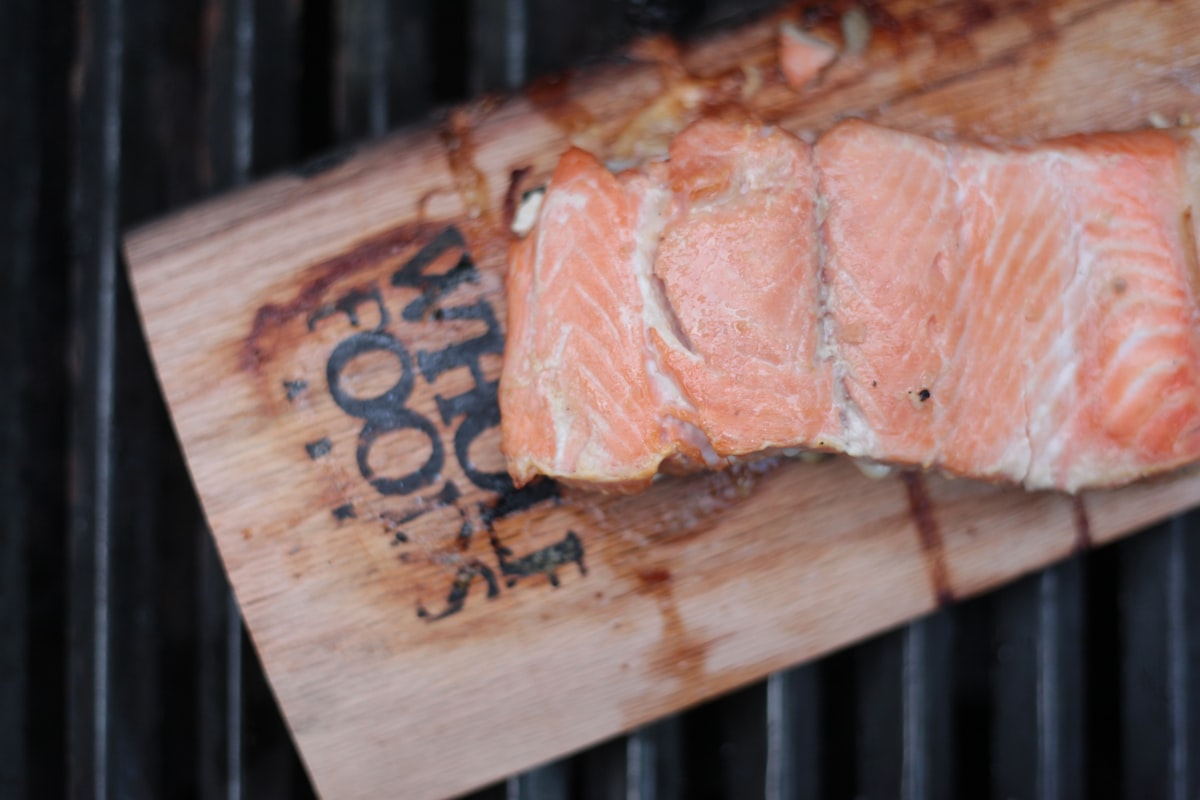
Raw Enzyme-Rich Salad
Maximum enzymatic activity and micronutrients
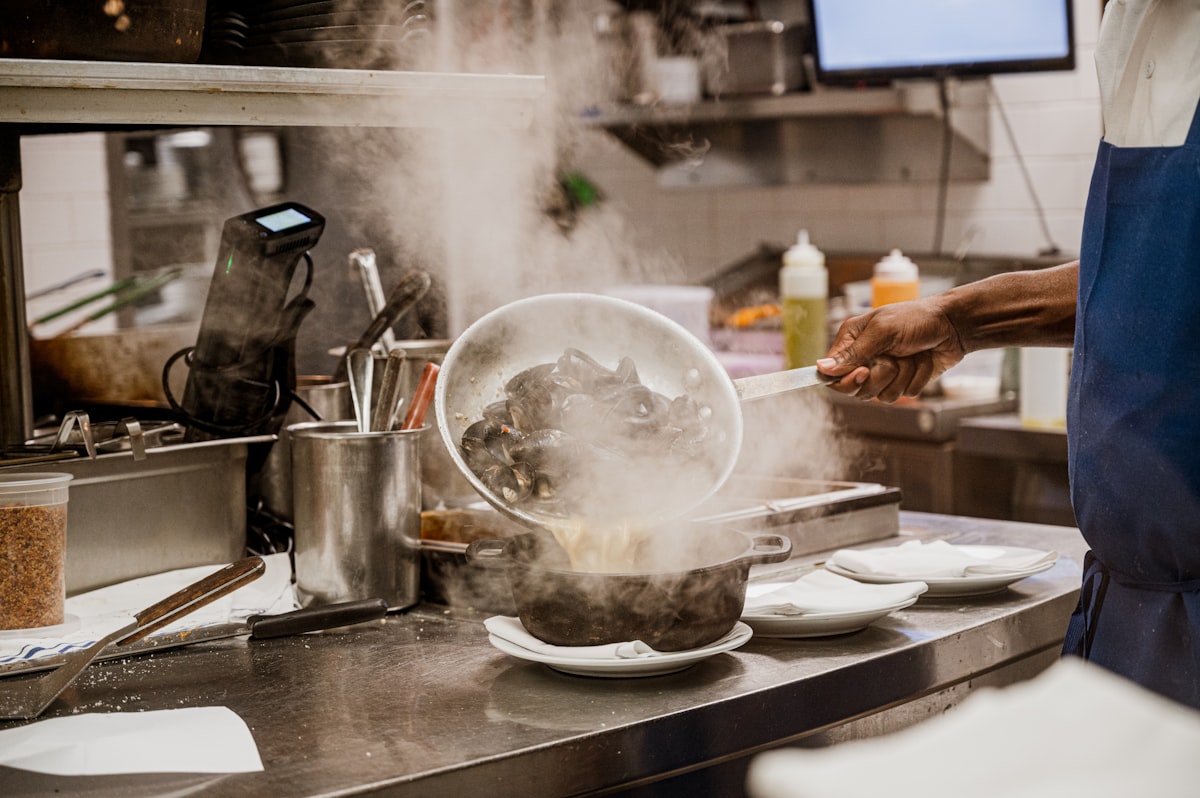
Mineral-Rich Bone Broth
Slow-extracted collagen and minerals
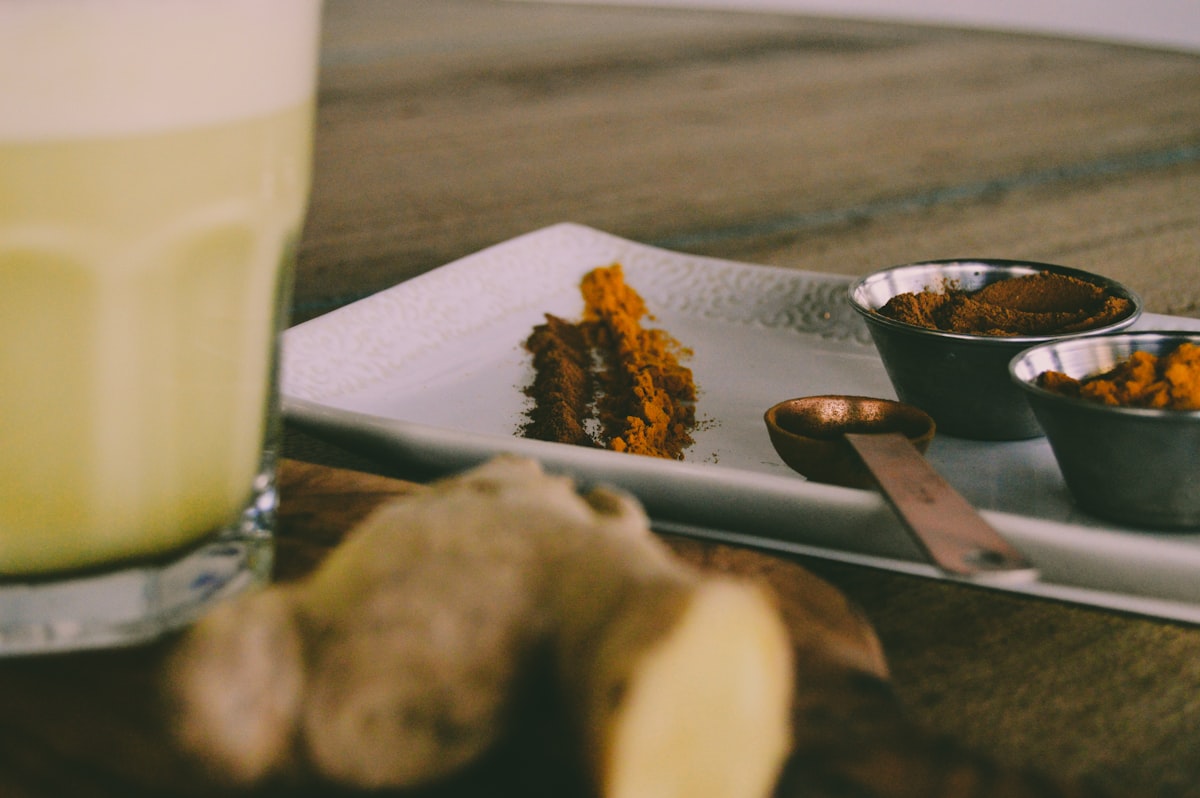
Fermented Vegetable Preparation
Enhanced bioavailability through fermentation
Frequently Asked Questions
Most anti-inflammatory cooking occurs between 120-160°C. This range allows for adequate nutrient preservation while developing flavor through the Maillard reaction without excessive oxidative damage. Steaming typically uses 95-100°C, while roasting falls at the higher end. The specific temperature depends on the ingredient and desired outcome—delicate items use lower temperatures, while tougher vegetables tolerate slightly higher heat.
Absolutely. Raw foods retain maximum enzymatic activity and heat-sensitive micronutrients. The balance depends on individual digestive capacity and overall meal structure. Many people benefit from a combination—using raw vegetables in salads for enzyme content, while incorporating cooked vegetables for easier nutrient absorption. Proper preparation techniques like soaking, sprouting, and thorough chewing enhance the digestive benefits of raw foods.
Optimal extraction typically occurs between 12-48 hours, depending on the bones used and desired intensity. Chicken bones release minerals within 12-24 hours, while beef bones benefit from 24-48 hours of gentle simmering. The key is maintaining a very low temperature (85-95°C) to avoid boiling, which can create cloudiness and reduce gelatin clarity. Longer extraction increases mineral concentration but also requires careful monitoring to maintain water levels.
Extra virgin olive oil is best reserved for finishing dishes and cold preparations due to its lower smoke point. For controlled roasting at 140-160°C, ghee, coconut oil, or avocado oil are more stable. For very low-temperature cooking (95-120°C), extra virgin olive oil works well. For cold infusions and raw applications, unrefined oils like walnut, flax, and hemp offer beneficial fatty acid profiles. Understanding smoke points and fatty acid composition helps you select the right oil for each preparation method.
Look for local sourcing with minimal transport time, organic certification or transparent growing practices, vibrant color and firm texture indicating peak ripeness, and direct relationships with producers. In Switzerland, farmers' markets in Luzern and regional agricultural cooperatives offer seasonal produce with traceable origins. Ask producers about harvest dates, storage conditions, and growing methods. Seasonal availability is your guide—the foods that grow locally in each season have naturally optimized nutrient density.
Yes, fermentation can be integrated into routine meal preparation. Simple vegetable ferments require only salt, time, and glass containers—no special equipment. Starting batches of fermented vegetables takes minimal effort, and once begun, you have a continuous supply. Small portions—1-2 tablespoons with meals—provide consistent exposure to beneficial fermentation compounds. Begin with single vegetables like cabbage or cucumber, then experiment with combinations as you develop confidence in the process.
Expand Your Knowledge
Featured Articles
Deep-dive explorations of anti-inflammatory cooking science, ingredient selection, and preparation philosophy. Our editorial team regularly publishes research-informed content about nutritional density and cooking methods.
View All ArticlesWhat Our Customers Say
Real stories from people transforming their health through wholesome nutrition.
"Within three weeks of switching to Holistic Health Meals, my energy levels increased dramatically. The meals are delicious and I actually look forward to eating healthy now."
Sarah Henderson
Fitness Enthusiast
"As someone managing inflammation from arthritis, these meals have been genuinely therapeutic. The anti-inflammatory ingredients actually make a difference I can feel."
Marcus Davis
Health Advocate
"The convenience factor combined with nutritional quality is unbeatable. No more guessing about macros or spending hours in the kitchen. Simply exceptional service."
Jennifer Lopez
Busy Professional
Frequently Asked Questions
Find answers to common questions about our meals and service.
How are the meals prepared and preserved?
All our meals are prepared fresh in our certified kitchens using organic, locally-sourced ingredients where possible. We use gentle preservation methods including flash-freezing to maintain nutritional integrity without artificial additives or preservatives.
What dietary restrictions do you accommodate?
We offer comprehensive options including vegan, vegetarian, gluten-free, dairy-free, nut-free, paleo, keto, and low-FODMAP meals. Our meal builder allows you to customize based on your specific dietary needs and preferences.
What is your delivery schedule and coverage area?
We deliver weekly to most urban and suburban areas. Deliveries occur on Tuesdays and Thursdays. You can check your zip code on our delivery page to confirm service availability. Remote areas may take 5-7 business days for delivery.
Can I pause or cancel my subscription?
Absolutely. You can pause your subscription for up to 3 months or cancel anytime with no penalties. Changes take effect on your next scheduled delivery date. We want you to have complete flexibility with your wellness journey.
Are your ingredients organic and sustainably sourced?
We prioritize organic and sustainably-sourced ingredients for approximately 85% of our menu. Where organic is not available, we source from farms using responsible agricultural practices. All our suppliers are vetted for environmental and ethical standards.
Start Your Holistic Health Journey Today
Join thousands of customers who've transformed their relationship with food and their wellness outcomes.
Free consultation available • No credit card required • Satisfaction guaranteed